Toronto 24 Hour Electrician for Emergency Electrical Services
Toronto 24 Hour Electrician for Emergency Electrical Services
Blog Article
Typical Electrical Issues and The Manner an Qualified Electrician Can Provide Assistance
Electrical issues can manifest in various ways, often suggesting underlying problems. Common indicators consist of regular circuit breaker trips, dimming lights, and warm outlets. These manifestations may indicate overloaded circuits or damaged wiring, which create safety risks. Understanding these issues is vital for ensuring a safe home space. An electrician's expertise can deliver clarity and solutions. What steps can homeowners take to address these concerns productively?
Common Symptoms of Electrical Issues
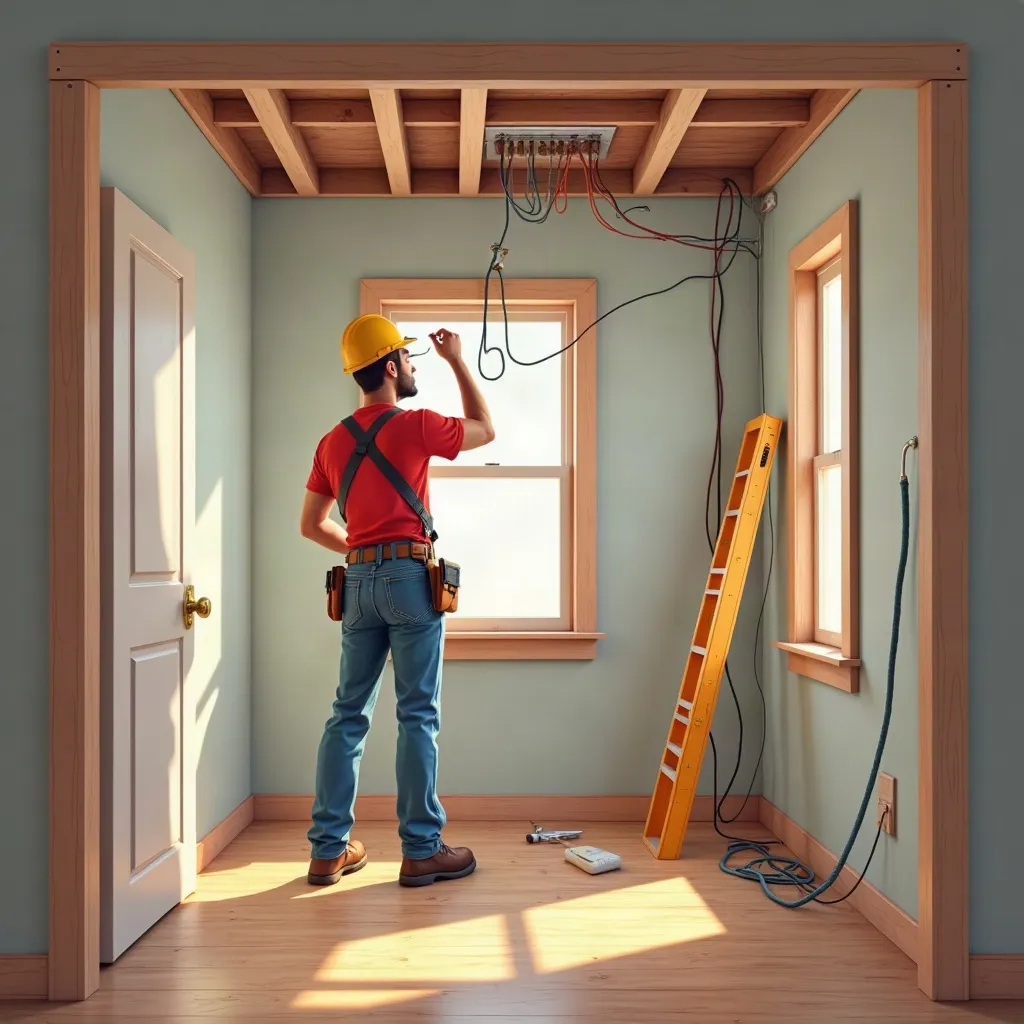
How can property owners spot electrical problems before they get worse? Property owners should be vigilant for key indicators indicating potential electrical issues. Regular breaker malfunctions can reveal overloads or poor electrical work. Additionally, unusual odors, such as burning, may suggest overheated wires or insulation. Flickering or dimming lights, especially when multiple fixtures are affected, can reveal an unstable electrical supply. Moreover, outlets that feel warm to the touch or show discoloration could point to a serious wiring issue. Homeowners should also take note of buzzing sounds from outlets or switches, which may indicate improper installation or failing components. Finally, if devices frequently experience malfunctions or if the home's electrical system seems outdated, it might be time to consult a professional. Recognizing these warning signs early can prevent more significant problems and guarantee the safety and functionality of the home's electrical system.
The Dangers of Blinking Lights
Blinking lights represent significant hazards within a home, frequently acting as a warning sign of concealed electrical problems. This event could suggest faulty connections, which may lead to arcing, a perilous condition where electricity arcs between wires. Such arcing might cause overheating and could potentially lead to electrical fires. In addition, flickering lights could indicate an overloaded circuit, where too much current is being drawn, risking deterioration to appliances and the electrical system itself.
Home dwellers may additionally experience constant interruptions in their lighting, which can produce diminished visibility and heightened danger of incidents. Overlooking flickering lights can aggravate these problems, causing more severe electrical malfunctions. Bringing in a qualified electrical specialist is critical to diagnose and rectify the underlying cause of unstable light, maintaining security and restoring stable power supply. Swift action to this issue can mitigate serious dangers and protect both property and dwellers.
Comprehending Circuit Breaker Interruptions
Knowing about circuit breaker trips is essential for homeowners facing electrical difficulties. A circuit breaker operates as a safeguard device, designed to terminate electrical flow when it spots an surge, short circuit, or ground fault. These interruptions protect against concerns, such as electrical fires or equipment damage.
Should a breaker trip, it reveals that your power system is facing an imbalance. Common reasons include overloaded circuits by too many devices, faulty wiring, or malfunctioning appliances. Property owners ought to observe the specific breaker that activates often, because this helps identifying the source of the problem.
Since resetting a tripped breaker is straightforward, repeated trips imply an fundamental problem that requires professional attention. A electrical expert can diagnose the fault, making certain your home's electrical network performs securely and efficiently. Grasping these occurrences guards your residence and enhances total electrical safety within your home.
Steps to Take When Outlets Stop Working?
When electrical receptacles stop working, it can interrupt everyday routines and cause frustration. People may need to verify if the circuit breaker has tripped, as this is a common reason. If the breaker is functioning, inspecting the outlet for visible damage of deterioration is recommended. Loose wiring or charring may indicate a greater issue.
Subsequently, checking the outlet with a alternate device can help determine whether the problem lies with the outlet or the appliance. If multiple outlets in the same area are broken, the concern may be related to wiring or a GFCI outlet that requires resetting.
Should these initial troubleshooting steps fail to solve the problem, it is advisable to contact a licensed electrician. They possess the technical knowledge to diagnose and fix electrical issues responsibly, affirming that the home's electrical system functions effectively and avoids potential hazards.
The Complications Stemming from Taxed Electrical Components
Overloaded circuits cause significant risks in power networks, typically stemming from excessive usage of outlets and devices. Recognizing the red flags of overloading, including common tripped breakers or wavering illumination, is essential for protection. Utilizing sound prevention strategies can help lower these hazards and provide a robust electrical infrastructure.
Causes of Excessive Circuits
A considerable number of households encounter difficulties resulting from overloaded circuits, which can create severe electrical hazards. Overloading usually occurs when too many devices draw power from a single circuit, surpassing the circuit's limit. Frequent reasons encompass the use of multiple high-wattage appliances, such as space heaters and microwaves, at the same time on the same circuit. Additionally, aging wiring systems may not accommodate modern electrical demands, contributing to overloads. Poorly placed extension cords and power strips can additionally worsen the issue by spreading power unevenly. Moreover, a lack of understanding about electrical ratings among homeowners often leads to unintentional overuse of circuits, increasing the risk of overheating and potential fire hazards. Proper circuit management is essential for safety and efficiency.
Indicators of Overloading
Recognizing the indicators of overloaded circuits is crucial for preserving electrical safety in a home. Common warning signs include repeated circuit breaker trips, which suggest that the electrical demand exceeds the circuit's capacity. Dimming or flickering lights can also point to overload, as they may struggle to receive adequate power. Additionally, outlets that feel warm to the touch or emit a burning smell pose serious risks, indicating potential overheating. Inconsistent performance of electrical devices may further highlight the issue, suggesting that they are not receiving stable power. Homeowners should pay attention to these signs, as ignoring them can lead to more severe electrical problems, including potential fire hazards. Prompt assessment by a qualified electrician is critical for addressing overloaded circuits effectively.
Prevention Methods Accessible
To minimize the risks associated with circuit overloads, homeowners can implement several effective safety steps. First, they should guarantee that the total power consumption of appliances does not exceed the circuit’s capacity. Utilizing power strips with built-in circuit breakers can further protect against overloads. Regularly inspecting electrical cords for wear and tear is essential, as damaged read this article cords can lead to increased resistance and overheating. Additionally, distributing electrical loads across multiple circuits can help prevent any single circuit from becoming overloaded. Homeowners are also encouraged to avoid daisy-chaining multiple extension cords, which can notably increase the risk of overloads. Finally, consulting with a licensed electrician for a thorough evaluation of the home’s electrical system can provide tailored solutions and safety recommendations.
What Approach Does an Electrician Use to Detect Electrical Problems?
Troubleshooting power problems requires a systematic process that combines technical expertise with keen observation. Electricians initiate by collecting facts from the customer, documenting symptoms such as flickering lights or tripped breakers. They commonly conduct a physical examination of the service panel, outlets, and electrical conductors to identify any obvious problems, such as compromised insulation or loose joints.
Next, electricians utilize specialized tools, such as multimeters and circuit testers, to assess voltage, current, and resistance levels. This aids in pinpointing the exact location of the fault. They may also test for ground faults or short circuits, which can cause significant hazards. Throughout the process, electricians follow safety protocols to guarantee their own protection as well as that of the property. By carefully removing potential causes, they can accurately diagnose the problem, allowing for quality restoration and restoring safety in the electrical system.
Prevention Methods for Electrical Safety
Preventative steps for electrical safety are essential in minimizing hazards associated with electrical systems. Routine checks, circuit breaker maintenance, and proper wiring techniques can greatly enhance the safety and reliability of electrical installations. Adopting these approaches helps in identifying potential issues before they escalate into serious problems.
Standard Electrical Reviews
Routine electronic inspections serve an important role in maintaining safety and performance within homes and businesses. These inspections help discovering potential hazards, including frayed wires, overloaded circuits, and outdated equipment. By detecting issues early, property owners can prevent expensive repairs and ensure compliance with safety regulations. Certified electricians perform thorough evaluations, examining connections, grounding systems, and load capacities. They also evaluate the overall condition of electrical panels and devices, offering recommendations for required upgrades or repairs. Regular inspections not only boost safety but also raise energy efficiency, lowering utility costs in the long term. Ultimately, putting resources in these routine checks encourages peace of mind, knowing the electrical system functions effectively and safely.
Circuit Breaker Maintenance
Maintaining electrical breakers is crucial for securing electrical safety and reliability in any property. Scheduled maintenance aids in preventing unexpected power outages and minimizes the chance of electrical fires. Owners of properties should periodically look for wear indicators such as rust or discoloration and verify the breaker panel is clear of dust and debris. Also, resetting breakers from time to time to test their functionality is important. Also, consulting with a licensed electrician for routine checks can detect issues early before they worsen. Correct labeling of breakers makes access easier during emergencies. By taking these preventive measures, the lifespan of circuit breakers is extended, and a safer living environment is promoted for occupants.
Protected Electrical Procedures
Ensuring safe wiring methods is vital for minimizing electrical risks in any environment. Proper installation techniques, including using the correct wire gauge and properly securing connections, play a vital role in avoiding overheating and electrical fires. Adherence to local building codes and regulations is also crucial for achieving compliance and safety. Routine inspections can uncover potential problems such as frayed wires or loose connections before they become serious issues. Using quality materials and components ensures longevity and reliability. Additionally, employing professional electricians for installations and repairs is advisable, as their expertise greatly minimizes risks associated with improper wiring. By adopting these practices, individuals can enhance safety and efficiency in their electrical systems.
Often Asked Questions
How Often Should I Schedule Checks for My Electrical Wiring?
Homeowners need to have their electrical systems inspected every three to five years. Frequent evaluations help uncover potential issues early, ensuring safety and efficiency, while also prolonging the lifespan of the electrical system overall.
May I Undertake My Own Electrical Fixes Safely?
Although some minor repairs might be tried, it is generally unsafe for individuals without proper training to conduct electrical work. Professional electricians have the expertise and tools necessary to guarantee safety and compliance with regulations.
What Are the Evidence of Outdated Wiring?
Signs of old electrical systems include repeated breaker failures, unstable lighting, blackened outlets, a smoky aroma, and the appearance of older outlets. These indicators often point to the demand for an rewiring project for protection.
What Steps Can I Take to Reduce Electrical Fires in My Home?
To prevent electrical fires, one should regularly inspect electrical systems, avoid overloading circuits, use proper wattage bulbs, set up smoke detectors, and guarantee appliances are in proper working order. Routine professional inspections greatly enhance safety in the home.
Which Credentials Should You Evaluate When Selecting an Electrical Professional?
If you're looking for an electrician, it's important to stress certifications, licenses, and experience. Additionally, checking references and making certain familiarity with local codes and safety standards can help ensure quality work and reliability in electrical services.
Report this page